Alpine Sanctuaries: Valleys of Quietude
How high-altitude silence resets modern cognitive overload, drawing travelers into an ancient pact with stone and snow.
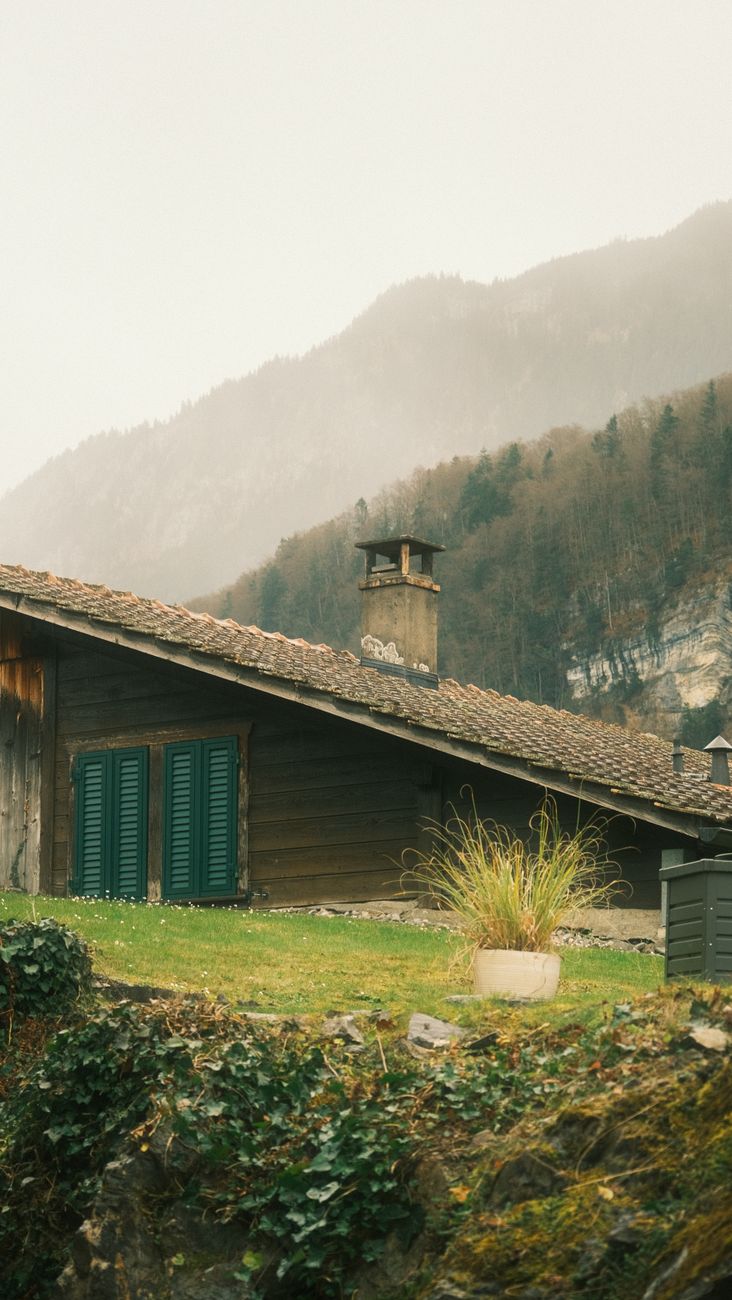
To arrive at two thousand meters when the sun slips behind jagged limestone is to experience sound in reverse. The constant white noise of metropolitan infrastructure falls away like an outgrown garment.
The Architecture of Granite and Larch
In the high pockets of South Tyrol and the Engadin valley, builders have honored local constraints for centuries. Structures are anchored into bedrock using rough-hewn stone foundations, while larch timbers—dense from short alpine summers—weather to a soft, charcoal silver. There is no decorative pretense here; every overhang is measured against heavy snowpacks, and every hearth is positioned to radiate warmth evenly through the pine paneled stube.
Staying in these refuges teaches the traveler an austere luxury. Linen bedding retains the scent of dried meadow herbs. Windows, framed in oiled walnut, frame singular dramatic vistas: an untamed avalanche chute, a stand of Swiss stone pines, or the glacial rim illuminated by morning frost.
"Silence at high altitude is not empty; it is saturated with the murmur of subterranean streams and wind dancing over limestone needles."
The Pace of Ascent
Climbing through mountain mist is fundamentally an exercise in breath. One does not conquer an alpine pass; one is merely permitted passage by shifting barometric currents. Travelers accustomed to instant digital responses find themselves governed by weather radars, footwear traction, and thermal layers.
By midday, reaching a shepherd's dairy reveals the true culinary heritage of these ranges: raw-milk mountain cheeses aged on spruce planks, rye flatbread infused with wild fennel, and clear spring water gathered straight from glacial melt.
Restoring Sensory Capacity
Neurologists increasingly point to high elevation and natural auditory quietude as therapeutic resets for sensory fatigue. In our journal's survey of alpine retreats, guests routinely report a stabilization of sleep cycles within forty-eight hours. When nighttime darkness is absolute and artificial luminescence is absent, circadian rhythms synchronize organically with the twilight.
Curate an Alpine Retreat
Allow our travel advisors to coordinate your bespoke valley itinerary.